

Puppy Chewing: Understanding the Instinct
Puppy chewing is a common behavior that stems from various natural instincts and environmental factors. Puppies have a natural urge to chew, helping them relieve discomfort during teething and explore their surroundings. The act of chewing allows them to investigate textures, tastes, and scents, which is crucial for their development. This instinctive behavior is similar to how wild canines chew on bones and foliage, contributing to their survival and health.
However, chewing can become problematic when it leads to the destruction of furniture or household items. One significant cause of this destructive chewing is boredom. Puppies need mental and physical stimulation, and when left alone without adequate interaction, they may resort to chewing as a means of entertainment. Source notes that boredom and anxiety can trigger such destructive behaviors, especially if the puppy is not well accustomed to being left alone. To combat this, creating a safe space with toys and comfort items can make solitary time smoother for puppies, as they feel more secure and less anxious about being alone.
Creating a Safe Space for Your Puppy
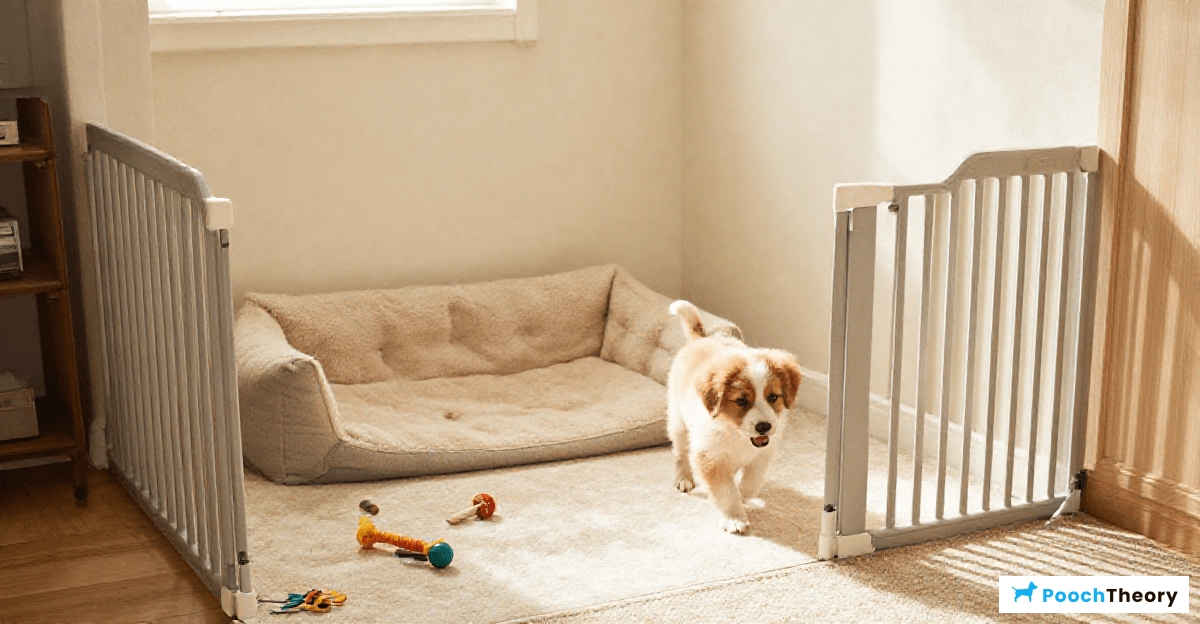
Creating a designated safe space for your puppy when home alone is essential to prevent furniture chewing and other destructive behaviors. Here are some tips to help establish this area effectively:
- Choose a Comforting Space: Select a quiet area away from distractions where your puppy feels secure. A cozy crate or a designated room can serve as a great foundation.
- Utilize Baby Gates: If using a room for your puppy’s space, consider baby gates to restrict access to certain areas.
- Introduce Interactive Toys: Keep your puppy entertained with puzzles and interactive toys that challenge them mentally and physically.
- Gradual Acclimation: Before leaving your puppy alone for extended periods, gradually increase the time they spend in their safe space.
- Avoid Punishment: If your puppy does chew furniture when left alone, avoid scolding them after the fact.
- Consider Professional Resources: Consulting with dog training experts or reading guides on puppy behavior can offer tailored strategies.
Establishing a safe, engaging space for your puppy can significantly reduce anxiety and destructive behavior. For more insights on training and behavior, explore topics such as emotional support dog training or how to socialize a dog.
Choosing Appropriate Chew Toys
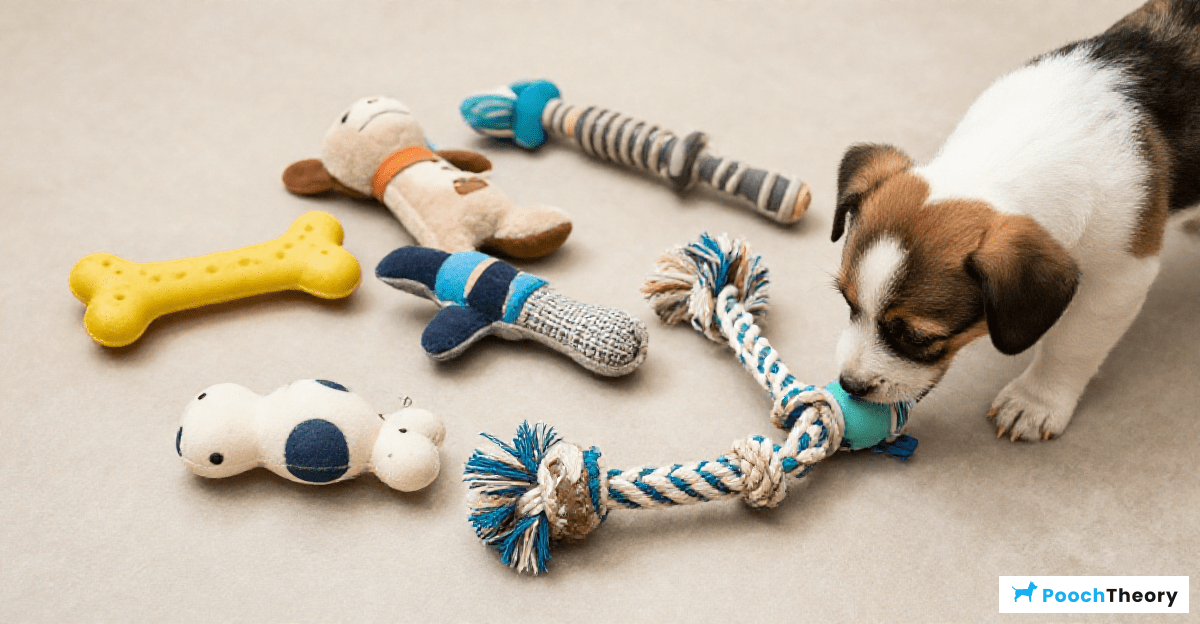
Providing appropriate chew toys is essential for satisfying a puppy’s natural chewing instincts, promoting oral health, and preventing destructive behaviors. Here are various types of chew toys that can meet these needs:
- Rubber Chew Toys: Durable rubber toys, such as KONG products, are ideal and can withstand heavy chewing.
- Nylon Bones: For aggressive chewers, nylon bones offer a sturdy option and help maintain dental hygiene.
- Stuffed Toys: Plush toys can be great for puppies that prefer softer textures, providing both comfort and chewing satisfaction.
- Interactive Chew Toys: Toys that incorporate puzzles or treat-dispensing mechanisms can keep a puppy engaged for longer periods.
Offering a variety of these toys will not only help keep your puppy entertained but also prevent them from chewing on furniture or other household items.
Training Techniques to Address Chewing
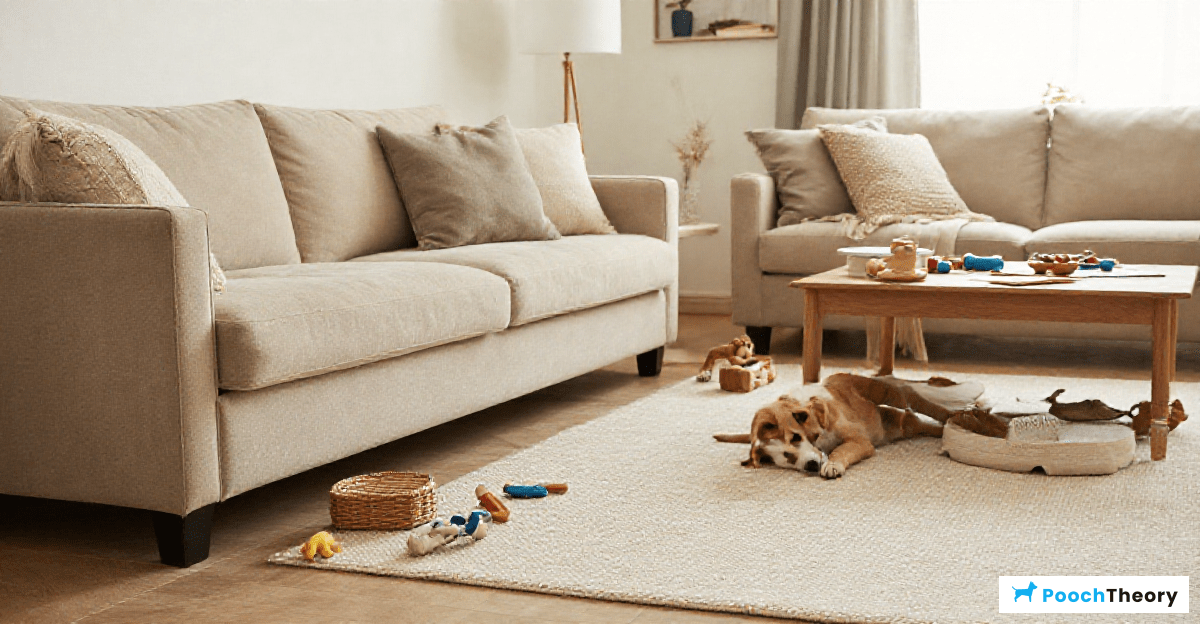
To effectively curb furniture chewing in dogs, positive reinforcement training techniques are among the most successful methods. This approach focuses on rewarding desired behaviors rather than punishing unwanted ones.
- Identify the Culprits: Observe when and why your dog chews on furniture, such as boredom or anxiety.
- Redirect the Behavior: When you catch your dog in the act, calmly redirect their attention to an appropriate chew toy.
- Use Positive Reinforcement: Praise or offer treats when your dog chooses to chew on an appropriate item.
- Establish a Training Routine: Incorporating structured playtime can help alleviate boredom.
- Teach the “Leave It” Command: This command can effectively curb the behavior when your dog is about to chew on furniture.
- Exercise and Mental Stimulation: Physical exercise helps reduce anxiety and boredom.
By applying these training techniques, you can create a positive environment that discourages furniture chewing while building a better bond with your dog. For more comprehensive training strategies, visit our complete guide on dog training.
Importance of a Daily Routine
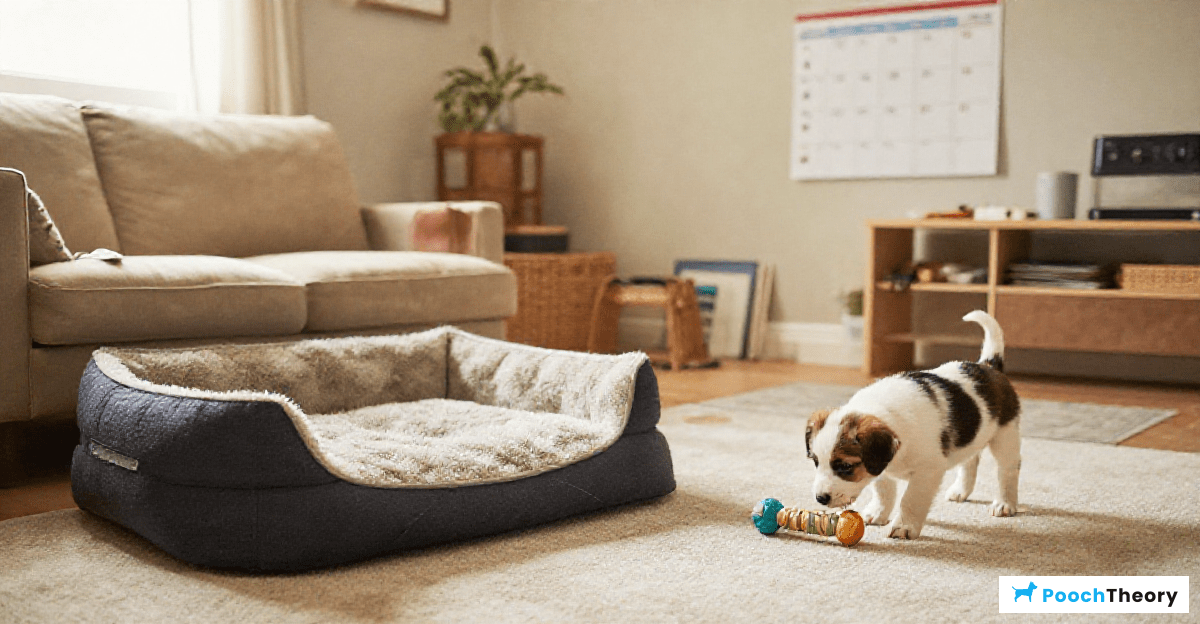
Establishing a daily routine for your puppy is crucial for their development and well-being. A structured schedule provides necessary stimulation and keeps your puppy occupied, minimizing undesired behaviors like chewing.
Key aspects of a daily routine include timed feeding, regular potty breaks, play sessions, training periods, and walks. This predictability helps puppies feel secure and understand expectations throughout the day. According to research, dogs engaged in routine activities are typically happier and less anxious, as routines provide them with a sense of purpose and stability [Source].
Incorporating training exercises during routine playtime enhances cognitive skills and reinforces learning, making the process smoother. Regular exercise should also be a non-negotiable part of your puppy’s schedule to prevent behavioral issues. Activities like walks or fetch create a calmer companion and foster reliability and confidence in your puppy.
Utilizing Deterrents for Furniture Chewing
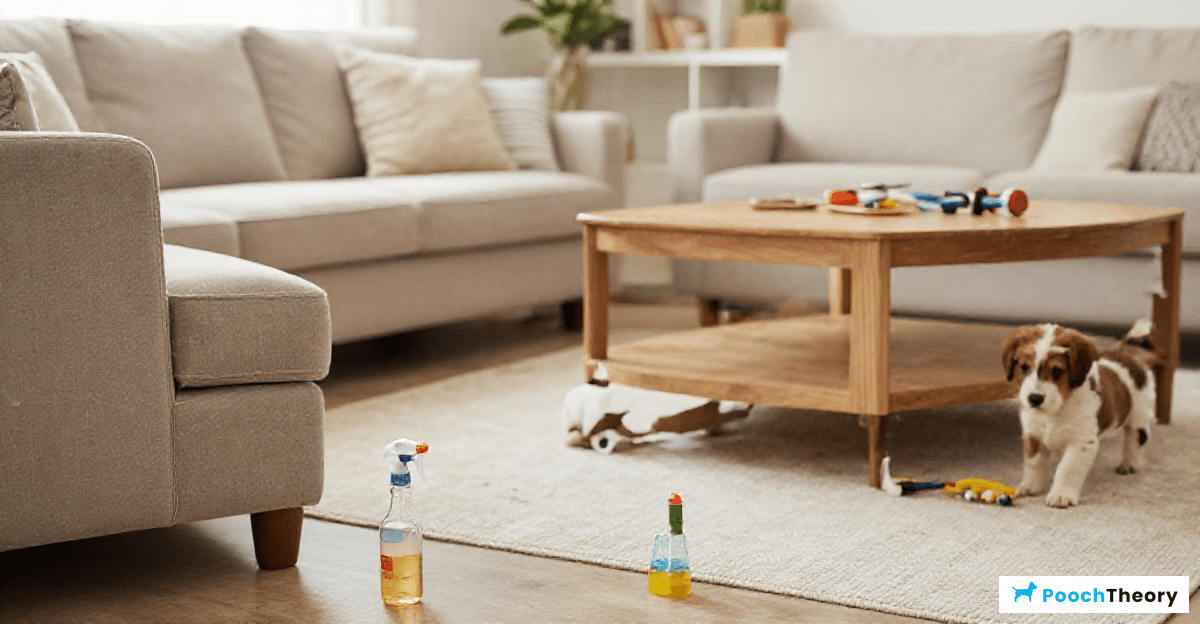
To deter your puppy from chewing on furniture, several safe and effective deterrents can be used. Applying bitter-tasting sprays is a popular method; products that contain ingredients like bitter apple or citrus can make furniture unpleasant for your puppy to chew on [Vet Recommended].
Another approach involves using physical barriers such as slipcovers or pet-specific furniture protectors. Additionally, providing plenty of chew toys can further divert your puppy’s attention away from your furniture. Positive reinforcement when your puppy chooses to chew on appropriate items can encourage better habits as well.
When to Consult a Veterinarian or Dog Trainer

When managing persistent chewing problems, knowing when to consult a veterinarian or a dog trainer is crucial. If excessive chewing is accompanied by other concerning behaviors, it’s time for a veterinary consultation. On the other hand, behavioral issues—like anxiety or inadequate stimulation—may be best addressed by a certified dog trainer.
Creating a structured routine incorporating regular exercise and mental stimulation through games can help. For a deeper dive into training techniques, consider the Ultimate Guide to Dog Training, and don’t hesitate to consult resources about specific breeds and their unique behavioral challenges [Reactive Dog Breeds].



