

Teaching Your Dog to Ignore Food on the Ground
Teaching your dog to ignore food on the ground is essential for several reasons. Firstly, a dog’s instinct to scavenge can lead to health hazards, including potential poisoning from ingesting harmful substances or food that may not be suitable for dogs. For instance, many everyday foods, such as chocolate or grapes, can be toxic [Source]. By instilling impulse control and training your dog to resist the temptation of food scattered on the ground, you can substantially reduce such risks.
Moreover, when dogs learn to disregard food distractions, they become more focused and manageable during walks or outings. This skill not only enhances their obedience but also fosters a safer environment during social interactions with other dogs and people. Experts emphasize that dogs are highly sensitive to their surroundings and can sense human emotions and body language. Therefore, using consistent training methods like positive reinforcement can effectively teach your dog this crucial skill [Source].
Additionally, failing to train your dog to ignore food may enable undesirable behaviors, such as stealing food or displaying aggressive tendencies towards other dogs over food items. Training sessions that focus on impulse control can transform your dog into an exemplary companion, allowing you to enjoy your outings without worry. For a comprehensive approach to dog training strategies, consider exploring our article on the Ultimate Guide to Dog Training.
Understanding Your Dog’s Scavenging Behavior

Dogs are naturally attracted to food on the ground due to their keen sense of smell and instinctual foraging behavior. Their olfactory receptors are incredibly sensitive, allowing them to detect scents from far away and compelling them to investigate potential food sources, whether discarded leftovers or unseen treats. This behavior is often exacerbated by the presence of enticing smells, which can lead dogs to ignore commands and thieve food from the ground. For instance, a study indicates that dogs can learn to associate humans’ emotional state and various scents with potential food sources, making them more prone to scavenging as they seek rewards from human interactions [Source].
However, the desire to scavenge can pose significant risks to dogs. Consuming food found on the ground can lead to health issues, including gastrointestinal upset or poisoning. Contaminated food sources, for example, can expose dogs to various bacteria and parasites. Leptospirosis, a serious illness transmitted through contact with contaminated soil or water, is one of the threats that can affect dogs who forage in unsanitary environments. Public health alerts have highlighted such dangers, stressing that dogs should avoid areas where their scavenging could lead to infection [Source].
Effective Dog Training Techniques
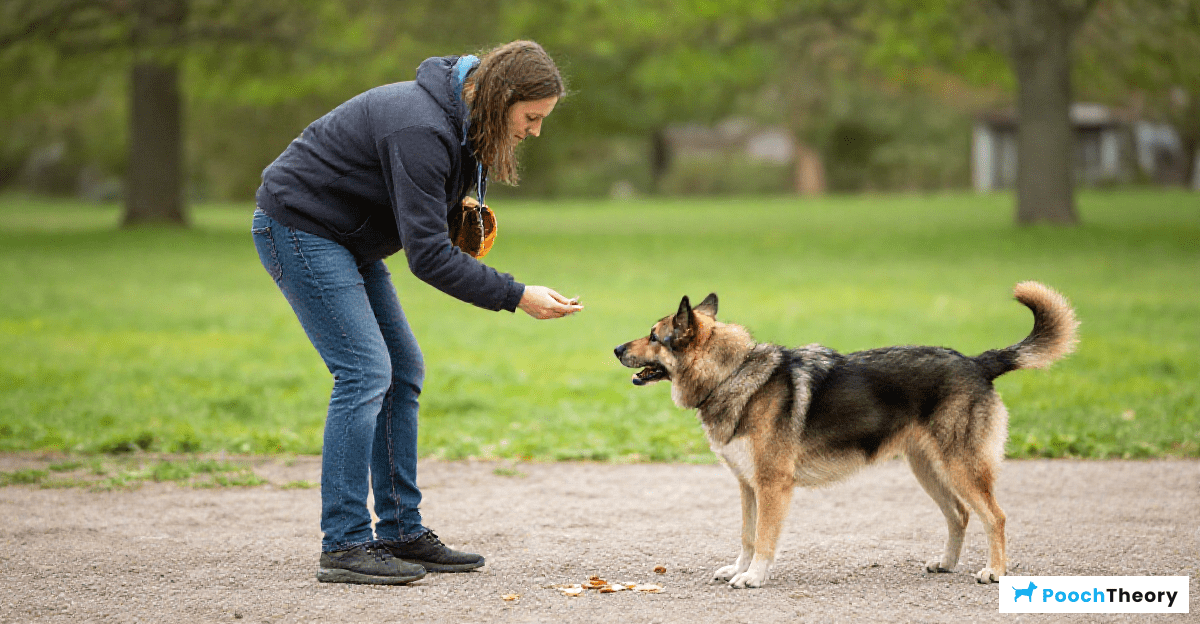
Training your dog to ignore food can be a challenging yet rewarding endeavor. Employing techniques such as positive reinforcement and distractions can effectively instill impulse control in your furry friend.
Positive Reinforcement
One of the most effective methods for training dogs is positive reinforcement. This technique involves rewarding your dog when it successfully ignores food or temptation, which encourages them to repeat the desired behavior. For instance, when your dog refrains from eating food that is out of reach, you might reward them with a treat or praise. Research shows that positive reinforcement not only fosters a stronger bond between you and your dog but also improves obedience, making it a cornerstone of successful training. For more details on various training methods, check out our article on the Ultimate Guide to Dog Training.
Distraction Techniques
Distraction can be an effective strategy for managing your dog’s focus. This could involve using toys, engaging in play, or taking them for a walk when food is present. For example, if your dog is tempted by food on the table, redirect their attention by tossing a favorite toy a short distance away or offering them a more enticing treat. This technique shifts their focus away from the unwanted food towards a more appropriate item or activity. For further insight into leash training and engaging activities, consider reading our article on Loose Leash Walking Training Plan.
Combination Approach
Combining these techniques can yield the best results. For instance, start by rewarding your dog when they avoid food and simultaneously use distracting toys to keep their focus away from the food source. Over time, as your dog learns to resist temptation, you can gradually reduce the frequency of rewards, reinforcing the behavior until it becomes a habit.
Establishing Commands
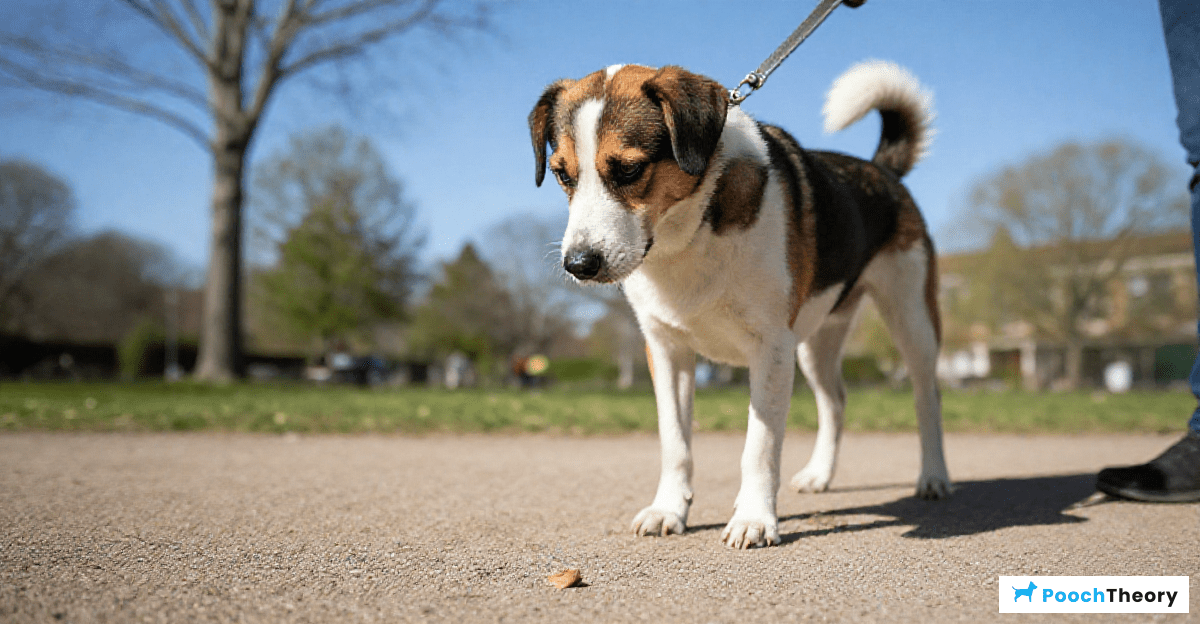
Establishing effective commands that signal your dog to ignore food is crucial for impulse control and fostering good behavior. The foundation for this training typically involves teaching commands like “Leave it” and “Wait.” To begin, consistently use these commands during training sessions, reinforcing them with positive rewards such as praise or treats when your dog successfully ignores distractions.
Start in a controlled environment with minimal distractions. For example, place a treat on the floor and use the “Leave it” command, firmly yet calmly. When your dog refrains from going for the treat, reward them immediately. Gradually increase the difficulty by introducing more distractions, like toys or a variety of foods, to test their impulse control in more chaotic settings.
Incorporating games and activities that promote impulse control can significantly enhance their training. Engaging in fun exercises like the “Ask for Permission” game helps dogs learn to pause before acting on their impulses. This not only strengthens their understanding but also keeps training enjoyable.
Creating a Controlled Environment
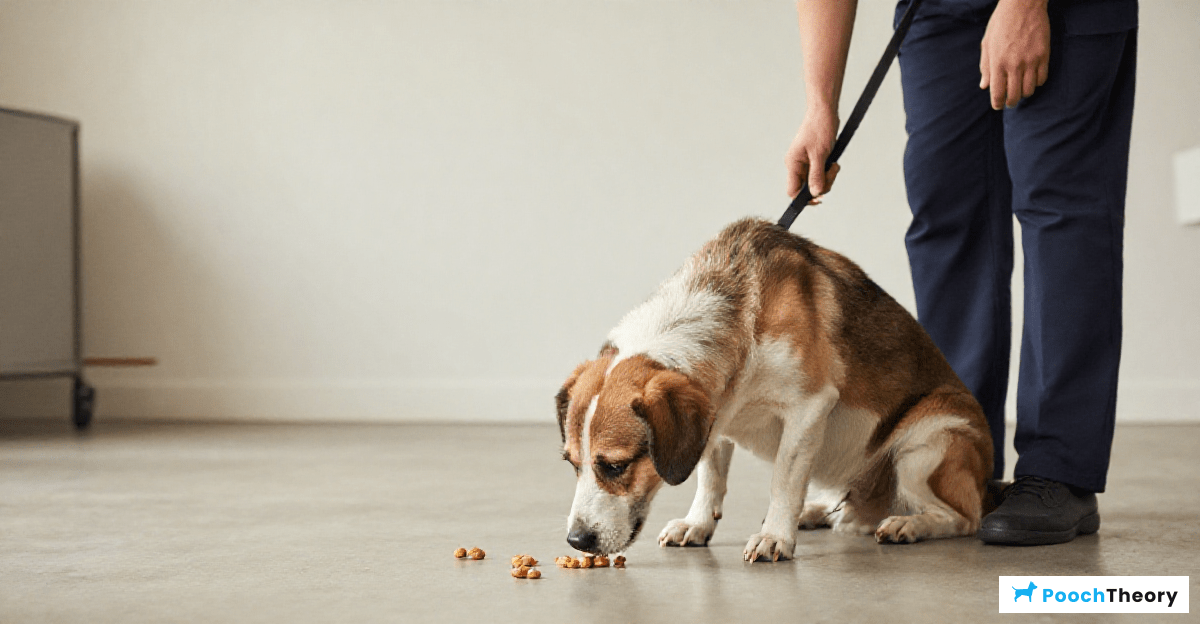
When conducting training sessions in controlled environments, creating a safe and manageable location is paramount for effective dog training. Here are some actionable tips:
- Choose a Familiar Space: Start in a familiar, low-distraction environment, such as your home or backyard.
- Use Enclosed Areas: Utilize spaces that are enclosed or have limited access to outside distractions to minimize the risk of your dog running away.
- Gradual Exposure: Introduce distractions slowly, starting with minimal distractions and gradually increasing complexity.
- Establish Boundaries: Clearly define the training area to prevent the dog from wandering off.
- Utilize Positive Reinforcement: Reinforce good behavior consistently within these controlled environments.
- Maintain a Calm Atmosphere: A serene environment promotes better focus and learning.
- Integrated Training Sessions: Consider combining training with playtime or breaks in between exercises.
By integrating these strategies, trainers can set up effective sessions that enhance both learning and the bond between dog and handler, ensuring a productive training environment.
Reinforcing Good Behavior
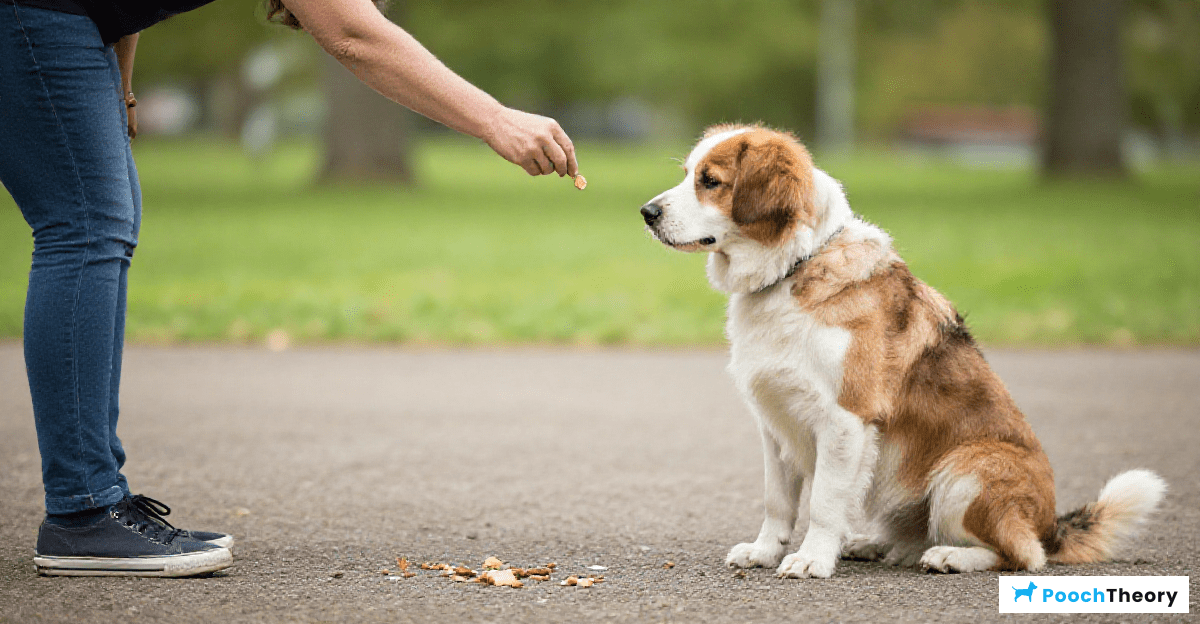
Reinforcing good behavior in dogs, especially when they successfully ignore tempting food on the ground, is crucial for effective training. Here are some strategies to help you reward your dog during these situations:
- Positive Reinforcement: Use treats, praise, or playtime as rewards when your dog passes by food without reacting.
- Timing Matters: The reward should be given immediately after the desired behavior for effective reinforcement.
- Use High-Value Treats: Choose particularly enticing treats in challenging situations to motivate your dog.
- Practice in Controlled Environments: Start in less distracting environments before moving to more challenging scenarios.
- Incorporate Training Games: Engage your dog in games that promote impulse control to reinforce good behavior.
- Combine Commands: Use commands like “Sit” or “Stay” while working with your dog around food distractions.
- Consistency and Patience: Recognize that training takes time, and each dog learns at their own pace.
By implementing these strategies and being consistent, you’ll help your dog build the necessary skills to resist food temptations and reinforce good behavior successfully. For more training tips, consider reading our comprehensive guide on effective dog training techniques here.
Gradual Exposure in Training
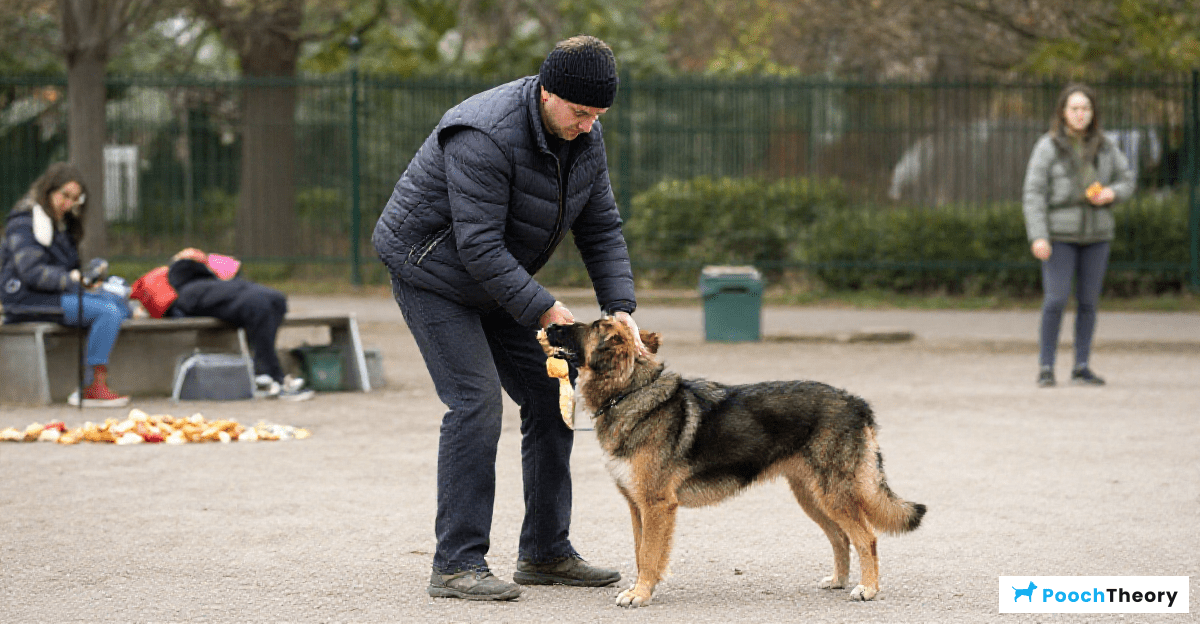
Gradual exposure in dog training is a critical technique for teaching dogs to maintain focus amidst increasing distractions. As a dog becomes more reliable in their training, it’s essential to slowly ramp up the difficulty of distractions in their training environment. This method enhances their ability to concentrate and respond appropriately, fostering better behavior in real-world situations.
Initially, start with low-level distractions that are manageable for your dog, such as practicing commands in a quiet room or backyard. Once your dog successfully responds to cues in these environments, gradually introduce higher distractions like having other people or pets nearby. The goal is for your dog to learn to focus on you regardless of the surroundings. Developing a reliable recall amidst distractions is vital for their safety and your peace of mind.
It’s important to monitor your dog’s progress and adjust the level of distraction accordingly. If the dog appears overwhelmed or distracted, revert to a less challenging environment and build back up from there. Utilizing positive reinforcement during these training sessions can further encourage your dog to stay engaged and attentive. Techniques like using rewards for good behavior can enhance their learning experience.
Incorporating gradual exposure into your training routine not only prepares your dog for various scenarios but also strengthens the bond between you and your pet. Remember, patience is key; consistent training coupled with gradual exposure will yield a well-behaved and reliable dog.
The Importance of Patience and Consistency
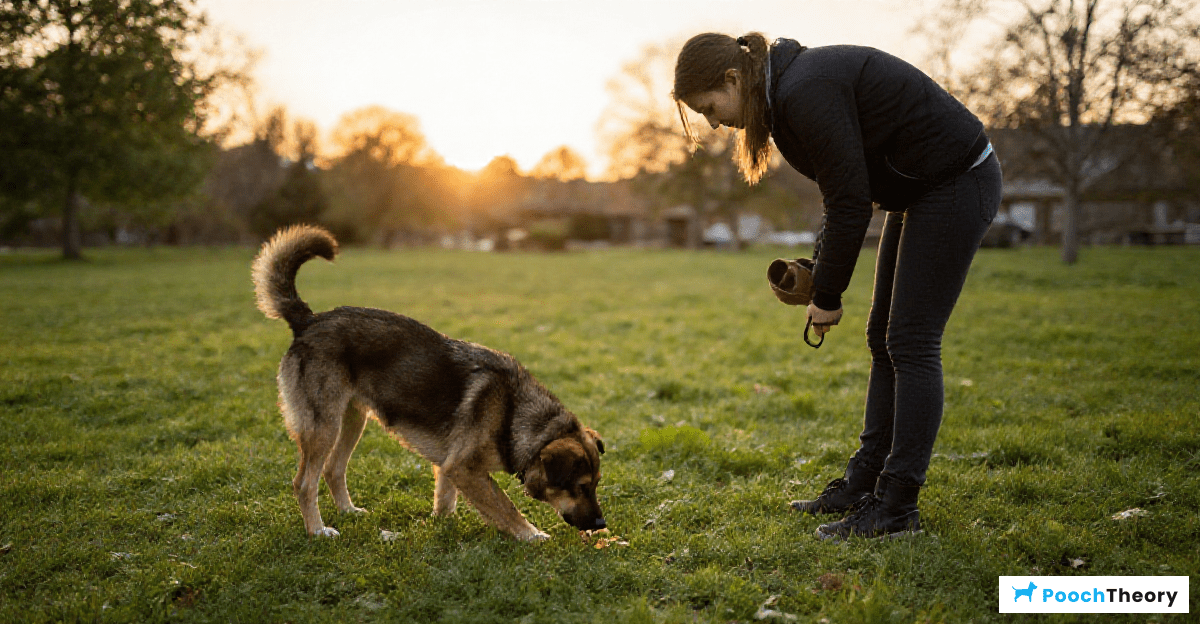
Training your dog to ignore food is a process that heavily relies on patience and consistency. Just as humans develop willpower and impulse control over time, dogs require the same consistent reinforcement to learn such behaviors. According to experts, dogs can discern commands and develop self-control by repeatedly practicing restraint in tempting situations, which can be cultivated through structured training sessions and clear expectations from their owners.
When introducing exercises that encourage impulse control, it’s vital to maintain a steady approach. This means recognizing that progress may be slow and that setbacks are part of the journey. For instance, starting with lower-value distractions before gradually increasing the temptation allows for building a dog’s confidence and skills in resisting food. Using techniques like the “leave it” command can aid in reinforcing this behavior over time, and pairing commands with positive reinforcement boosts compliance.
Moreover, patience ensures that dogs remain calm and focused during training, as frustration can lead to anxiety or undesirable behaviors. It’s also important for owners to be mindful of their emotional state, as dogs are adept at reading human body language and can easily pick up on stress or impatience, which may hinder their learning process.
As noted by canine behavior experts, the long-lasting benefits of consistent training approaches not only result in dogs that can ignore food but also contribute positively to their overall behavior and response to commands in various scenarios. For further insights, check out our guide on effective dog training techniques that emphasize the importance of patience and consistency.
Sources
- Newsweek – Australian Shepherd Refuses Food
- Newsweek – California Dog Warning: Deadly Bacteria Found
- Newsweek – Canine Behaviorist Reveals 5 Things Dogs Learn Overhearing Owners
- Pooch Theory – Loose Leash Walking Training Plan
- Pooch Theory – Ultimate Guide to Dog Training
- Pooch Theory – Impulse Control Games for Dogs
- Pooch Theory – How to Socialize a Dog
- Pooch Theory – Step by Step Recall Training for Easily Distracted Dogs



